STROKE & ACQUIRED BRAIN INJURY
Skilled Speech PathologY TEAM WITH A PASSION for SUPPORTING Adults AFTER STROKE & BRAIN INJURY.
A stroke or acquired brain injury (ABI) can change the way a person communicates, thinks, swallows and participates in everyday life. At Network Speech Pathology, we provide evidence-based, telehealth speech pathology services to support teenagers and adults at every stage of recovery, from recent hospital discharge through to long-term rehabilitation.
Our experienced speech pathologists work alongside clients, families and support teams to develop practical, meaningful goals that improve confidence, independence and participation in everyday life.

What is APHASIA?
Aphasia (“ah-fay-zjuh”) is a language impairment that is acquired after injury to the brain. It affects a person’s ability to process and access language, often demonstrated in word finding, comprehension, reading and writing difficulties. There are many types of aphasia, and each varies in severity and impact.
What is A Cognitive-communication impairment?
A cognitive-communication impairment occurs when changes to the brain affect the thinking skills needed for effective communication. Difficulties might be observed with attention, memory, problem solving, planning, organising thoughts, reasoning, interpreting language, or expressing ideas clearly during everyday conversations.
What is DYSARTHRIA?
Dysarthria (“dis-ar-three-uh”) is a neurological motor speech disorder. It is characterised by changes in muscle strength, coordination, speed, range of movement and muscle tone can affect the clarity, volume and natural rhythm of speech. There are several types of dysarthria, each with varying causes and levels of severity. While symptoms differ from person to person, reduced speech clarity is the hallmark feature across all types of dysarthria.
WHY CHOOSE NETWORK SPEECH PATHOLOGY?
+ Experienced team with a passion for supporting adult neurological impairments
+ Strong collaboration with hospitals, GPs and multidisciplinary care teams
+ Experience with complex communication impairments
+ We strive for the provision of evidence-based and person-centred care
+ Comprehensive reporting
+ Individualised training options for NDIS teams and aged care staff
+ Australia-wide telehealth services

Organise AN ASSESSMENT OR THERAPY consult with one of our experienced speech pathologists today
ABI Conditions we SUPPORT
Our clinicians are experienced in providing comprehensive assessment and therapy for a range of neurological conditions, including:
+ Stroke,
+ Traumatic brain injury (TBI)
+ Hypoxic brain injury
+ Brain tumours
+ Encephalitis
+ Concussion syndrome

BRAIN INJURY RESOURCES
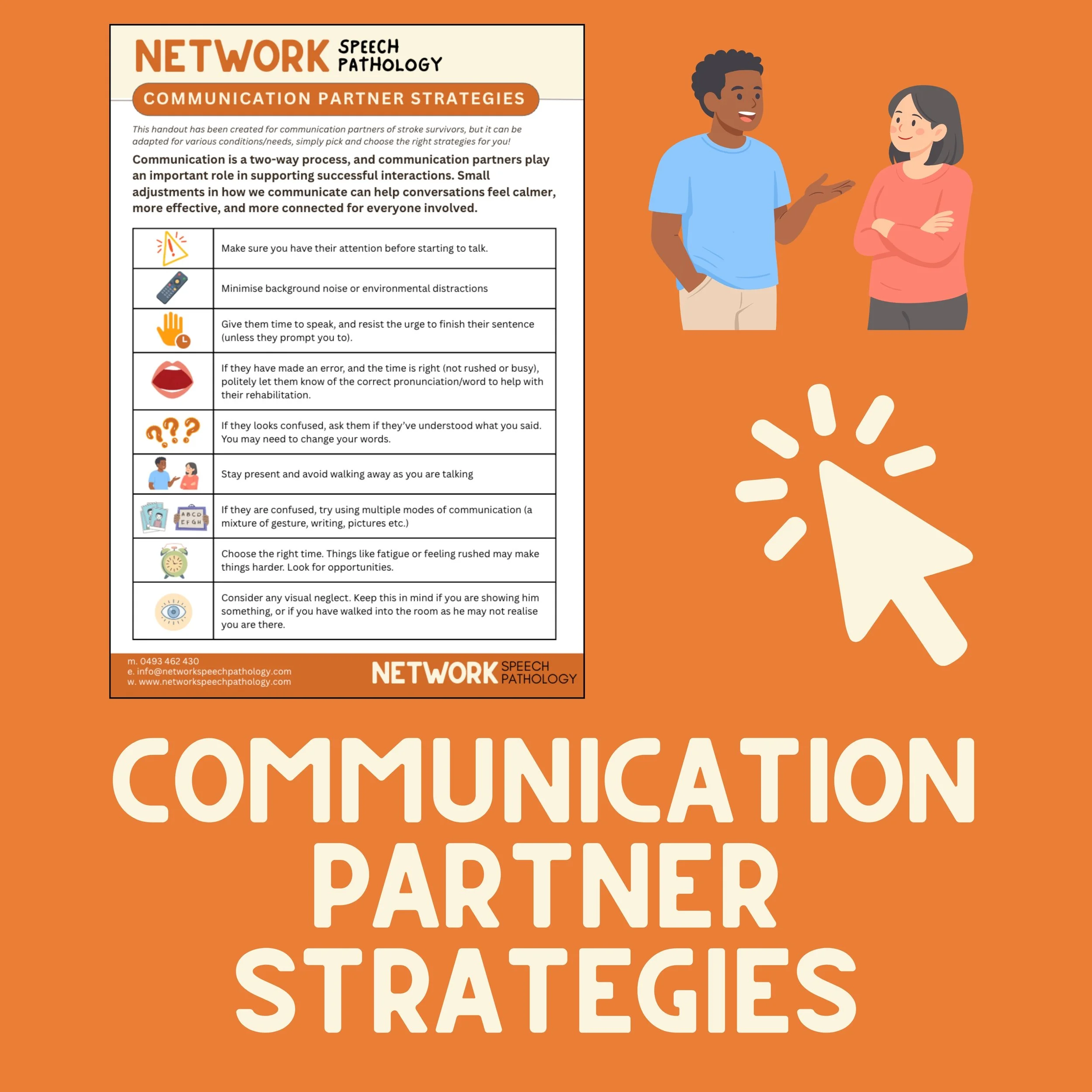
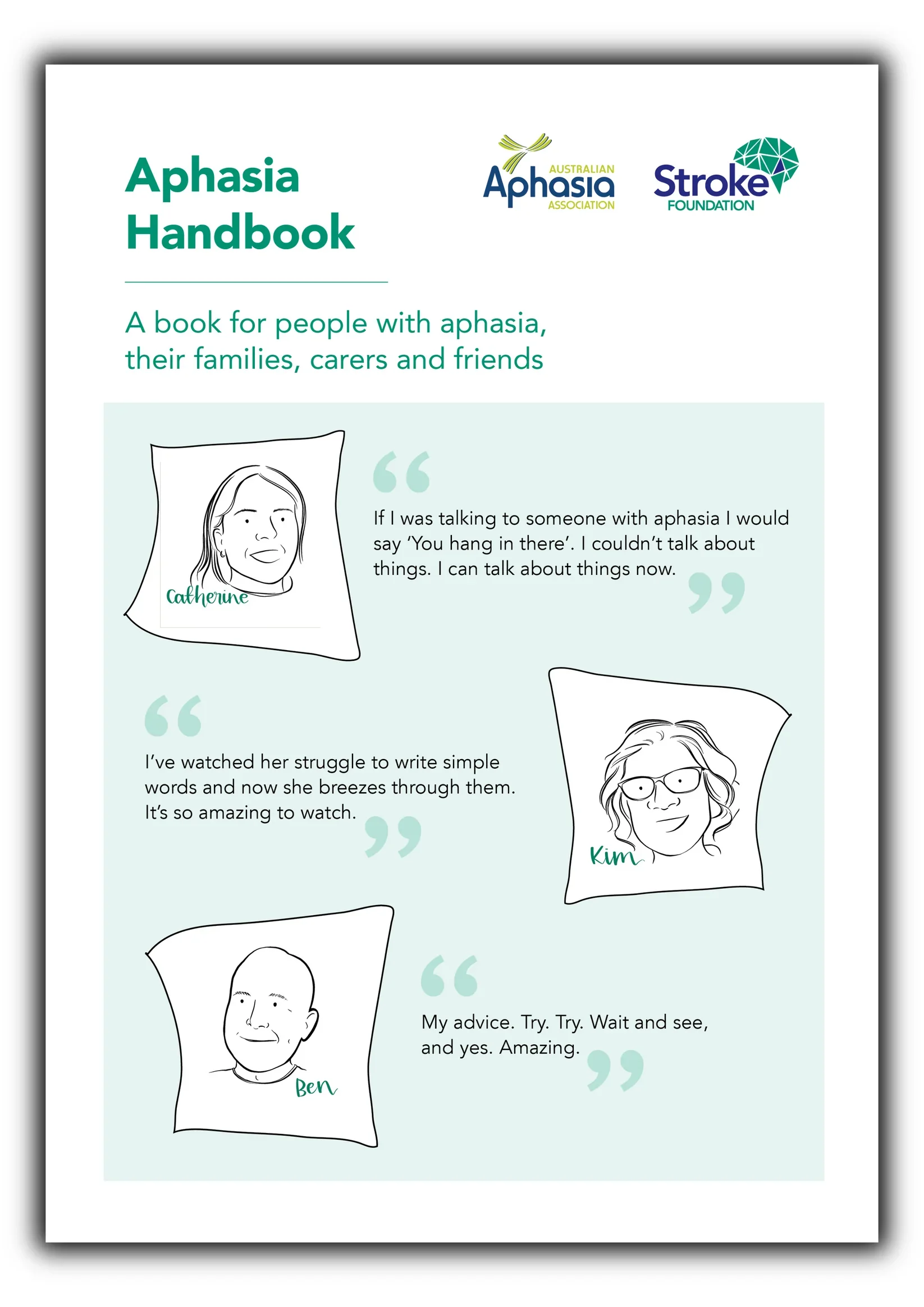
Here are some of our favourite resources available to assist with every client’s therapy journey, including:
GROUP SPEECH THERAPY
Recovery doesn't happen in isolation.
Our online therapy groups provide opportunities to practise communication skills in real conversations with others who have had similar experiences. Group therapy complements individual treatment by building confidence, increasing participation and supporting social connection in a safe, supportive environment.
Whether you're working on aphasia, cognitive-communication skills or conversational confidence, our groups provide practical opportunities to transfer therapy skills into everyday communication.